








Shop by Category
Vintage and Retro: The Cycle of Fashion
Title: Everything Old is New Again: The Cycle of Retro Fashion
Fashion is rarely linear; it is circular. If you wait long enough, everything comes back in style. From the bell-bottoms of the 70s to the minimalist slips of the 90s, the modern wardrobe is often a collage of past decades. Understanding this cycle helps women make smarter investment choices and appreciate the history behind their garments.
The 20-Year Rule Fashion theorists often cite the “20-year rule,” suggesting that trends resurface approximately two decades after their initial popularity. This creates a nostalgia loop. Designers who grew up in a certain era become the creative directors of major houses, drawing inspiration from their youth. This is why we see the resurgence of low-rise jeans and vibrant prints today. However, these trends rarely return in their exact original form. They are updated with modern fabrics, cuts, and styling techniques to fit the contemporary eye.
Vintage vs. Retro It is important to distinguish between “vintage” and “retro.”
-
Vintage refers to the actual item produced in a previous era (usually 20 to 100 years old). Buying vintage is the ultimate sustainable choice. It guarantees uniqueness—it is highly unlikely you will walk into a room and find someone wearing the same vintage dress.
-
Retro refers to new clothing that imitates the style of a past era. This allows for the aesthetic of the past with the sizing and condition of the present.
Incorporating the Past The key to wearing vintage or retro pieces without looking like you are wearing a costume is mixing eras.
-
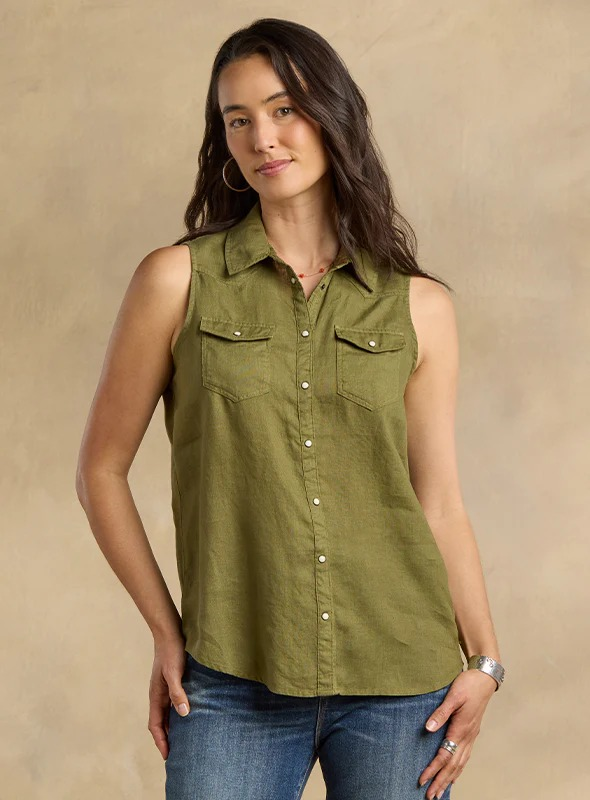
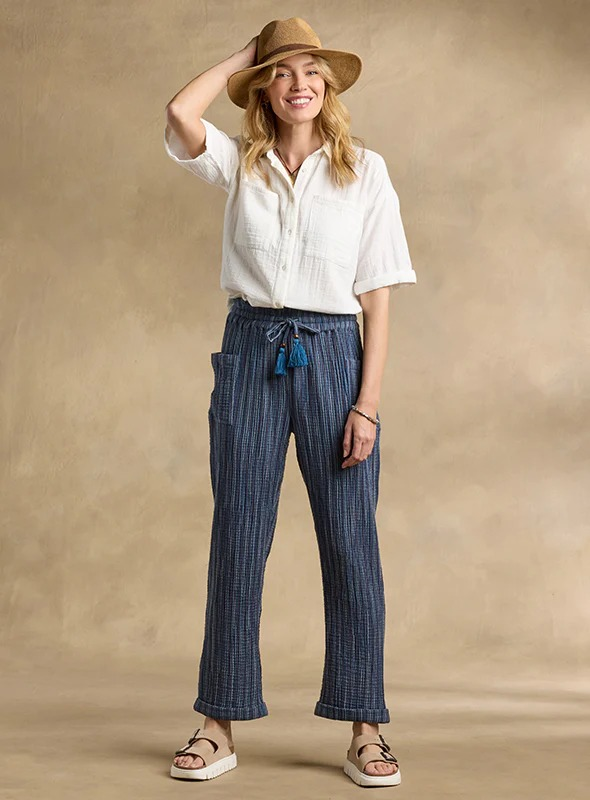
The Mix: Pair a vintage blouse with modern denim. Wear a 60s mini skirt with a contemporary graphic tee. The contrast creates a dynamic look that feels fresh.
-
The Fit: Vintage sizing is vastly different from modern sizing. A size 12 from fifty years ago might be a size 6 today. Tailoring is often essential when buying true vintage to ensure it flatters the modern body shape.
The Quality Difference One of the biggest arguments for exploring vintage fashion is the quality of construction. Older garments were often made with higher standards of stitching, lining, and fabric density than modern “fast fashion.” Buttons were sewn on tighter; seams were finished with care. Owning a piece of vintage clothing is like owning a piece of history—a garment that has lived a life before it met you, and one that is built to live on long after.
By embracing the cycle of fashion, women can break free from the pressure of the “newest” trend and find their style in the rich archives of history.